Geological Mapping · mapping-4-14
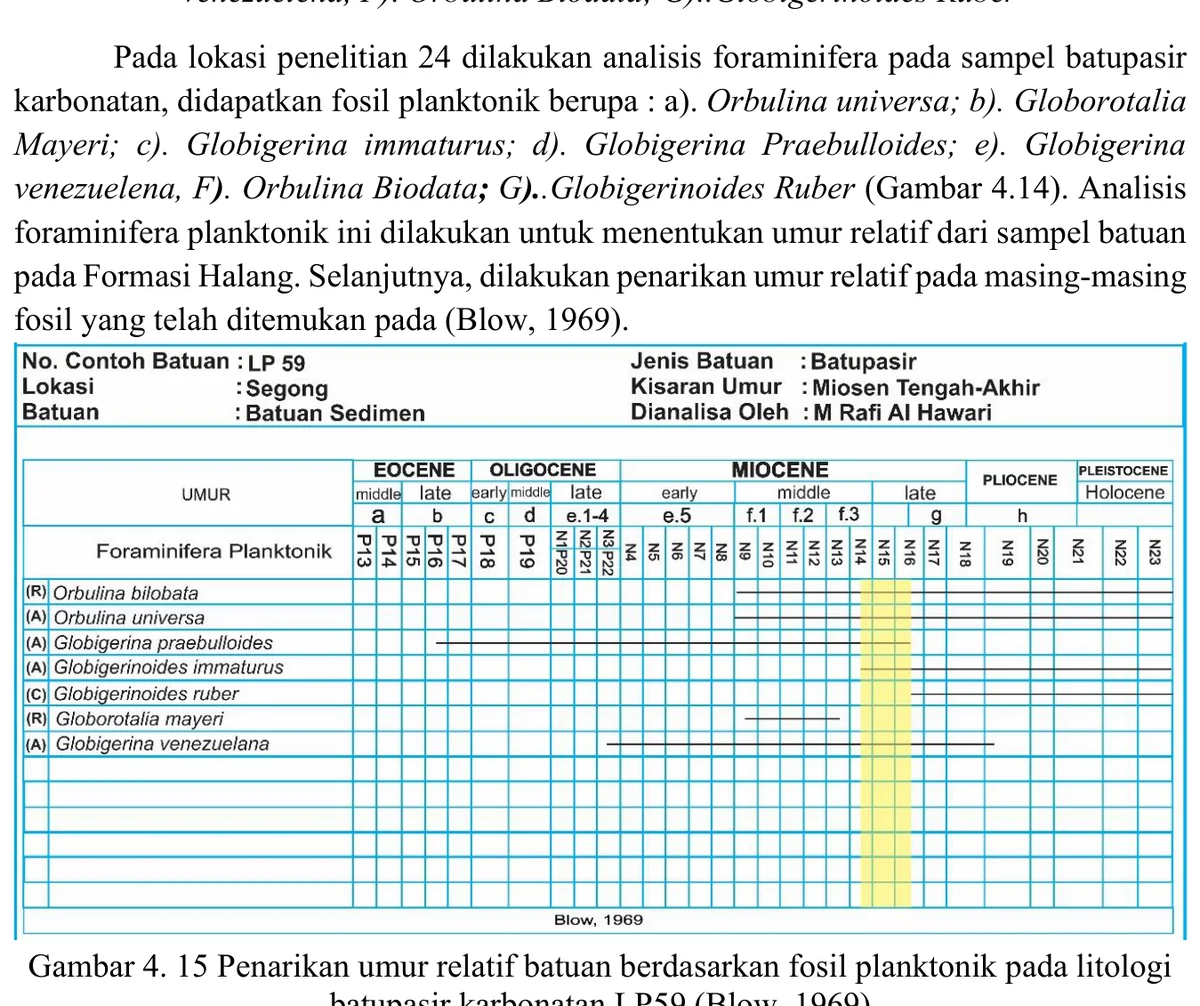
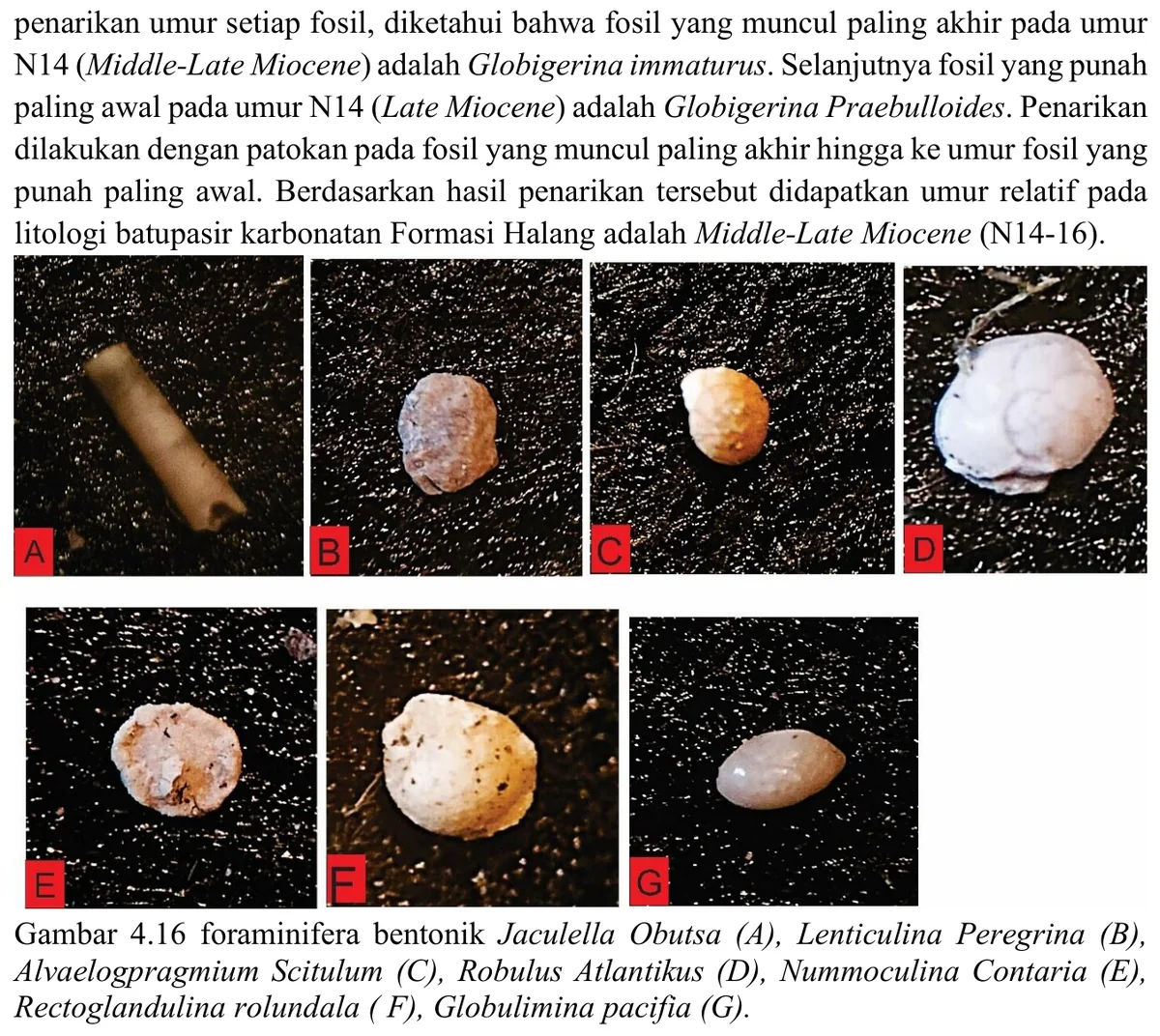
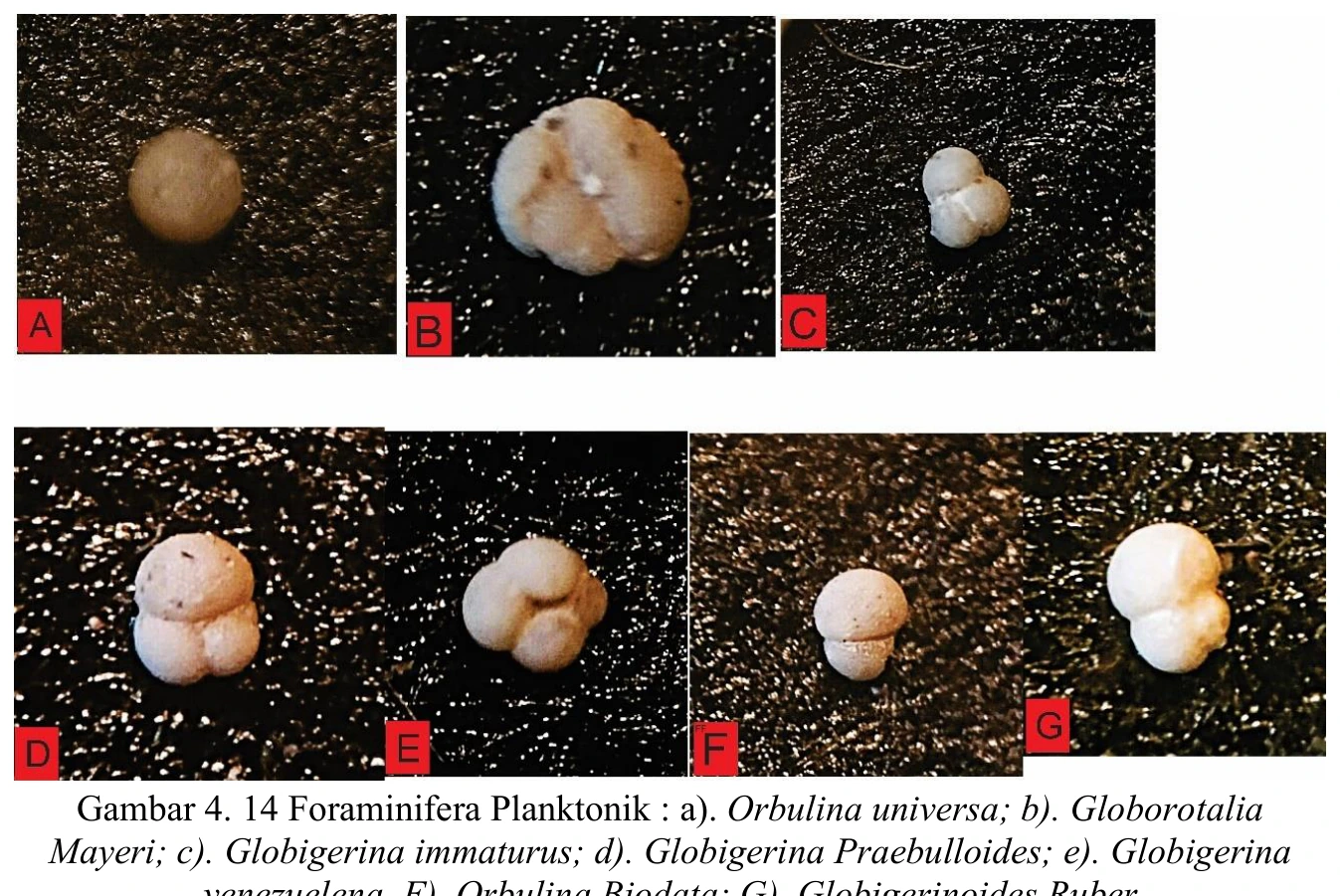
Planktonic foraminiferal plate from calcareous sandstone
The planktonic foraminiferal plate provides potentially high-value biostratigraphic evidence, but taxonomic confidence depends on preservation, diagnostic views, scale, picking protocol and expert verification.
SOURCE-LED TECHNICAL READING
Geological interpretation and evidential boundary
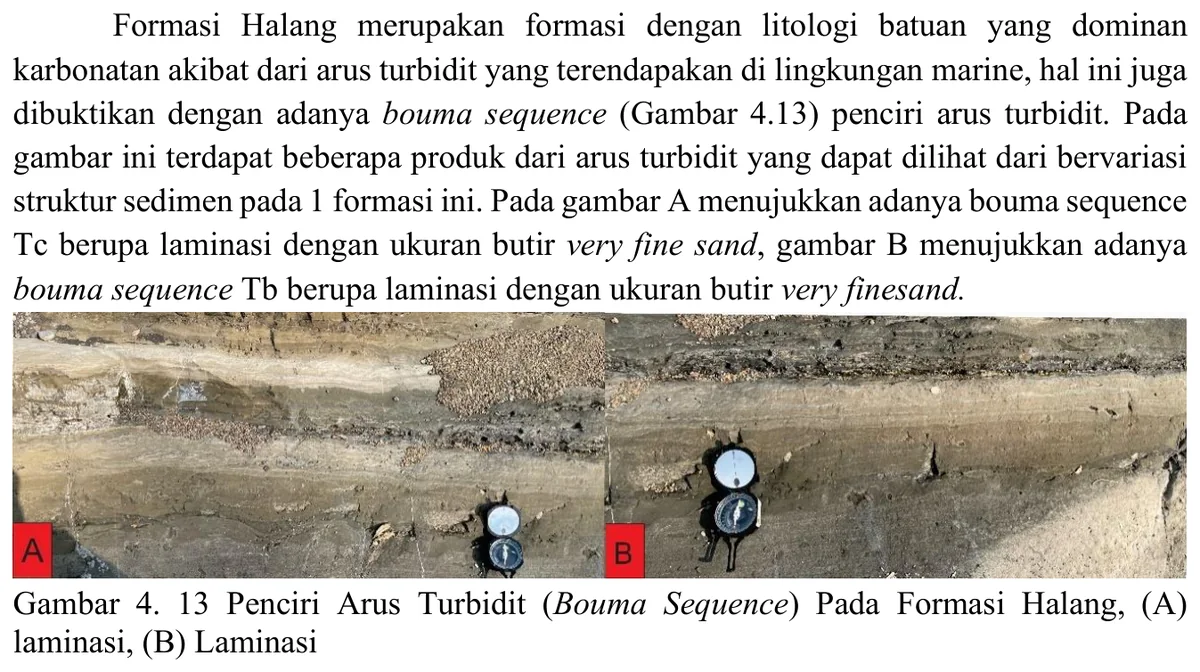
The planktonic foraminiferal plate provides potentially high-value biostratigraphic evidence, but taxonomic confidence depends on preservation, diagnostic views, scale, picking protocol and expert verification. Each identification should be tied to an individual specimen and uncertainty qualifier; reworked, broken or long-ranging taxa should not control the zonal assignment. The assemblage must be evaluated as a whole, including absence data only where sample processing and recovery are adequate. The most defensible age is the narrowest interval supported by reproducible first and last appearance datums under the selected regional zonation. Because transport and reworking are plausible in turbiditic sandstone, congruence with finer-grained samples is necessary before the plate constrains depositional age.
- Source
- Private mapping source vault · geological evidence record
- Location in source
- PDF page 67
- Image quality
- Standard
- Record ID
- mapping-4-14