Geological Mapping · mapping-4-28
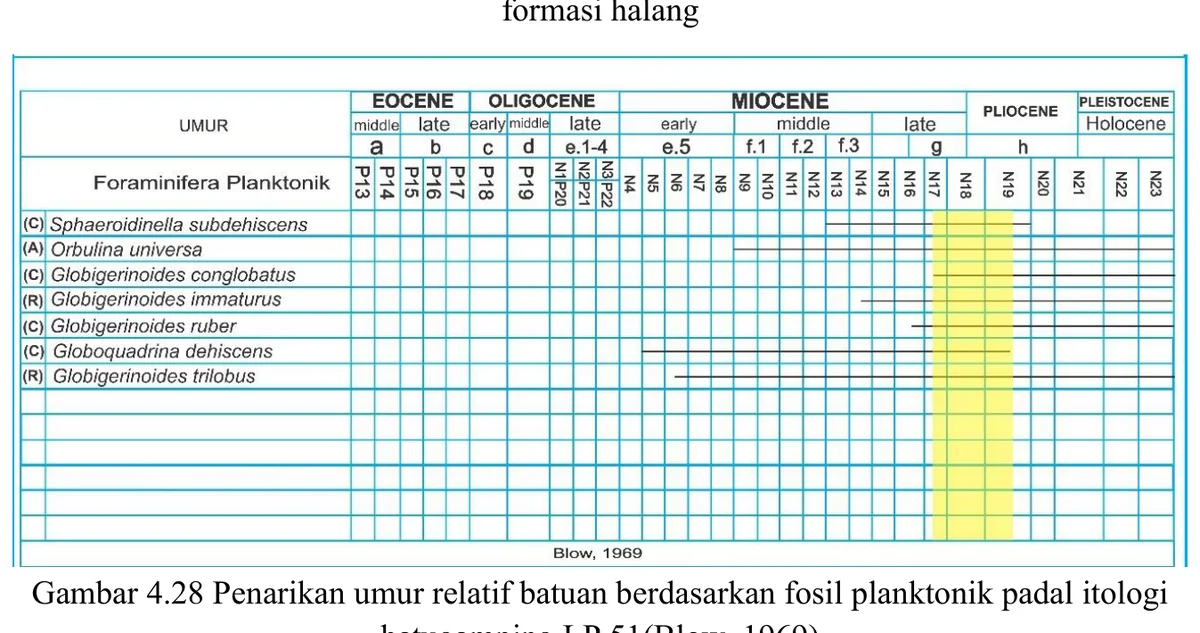
Planktonic foraminiferal plate from LP51 limestone
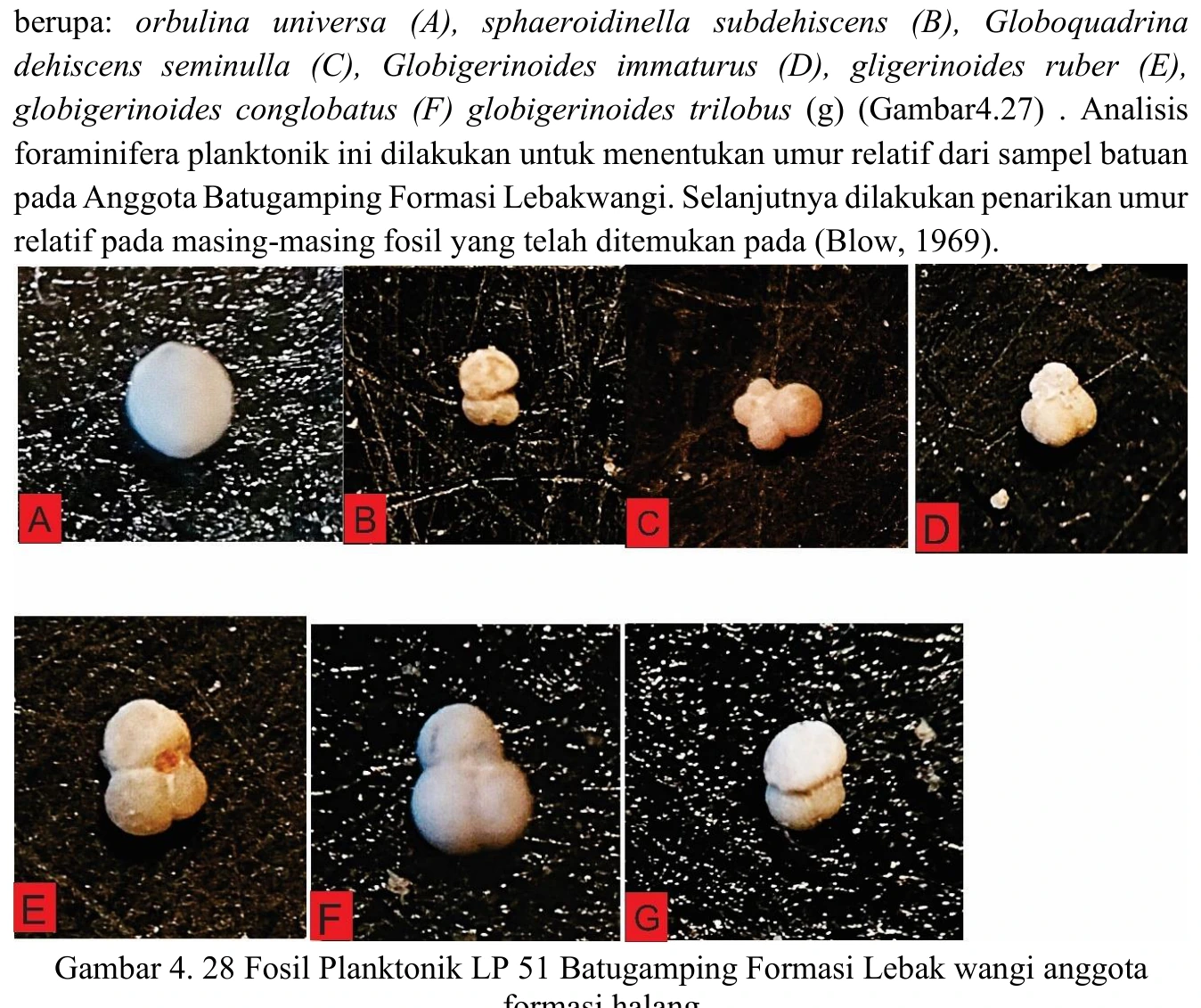
The LP51 planktonic plate is used to date the limestone, yet carbonate samples may contain reworked pelagic tests, diagenetically altered specimens or mixed material introduced through cavities. Identifications should therefore be tied to preservation state, host microfacies and individual views, with contamination and reworking explicitly screened.
SOURCE-LED TECHNICAL READING
Geological interpretation and evidential boundary
The LP51 planktonic plate is used to date the limestone, yet carbonate samples may contain reworked pelagic tests, diagenetically altered specimens or mixed material introduced through cavities. Identifications should therefore be tied to preservation state, host microfacies and individual views, with contamination and reworking explicitly screened. Several concordant age-diagnostic taxa are preferable to one visually persuasive specimen. The key regional question is whether the inferred age is consistent with mapped relationships among Halang clastics, Lebakwangi carbonate and Kumbang volcaniclastic units without forcing a simple vertical succession where lateral interfingering is possible. The plate provides a testable age constraint, not an automatic formation assignment.
- Source
- Private mapping source vault · geological evidence record
- Location in source
- PDF page 75
- Image quality
- Standard
- Record ID
- mapping-4-28